Nobody Warns You About These Skills Before You Start Making Things for a Living

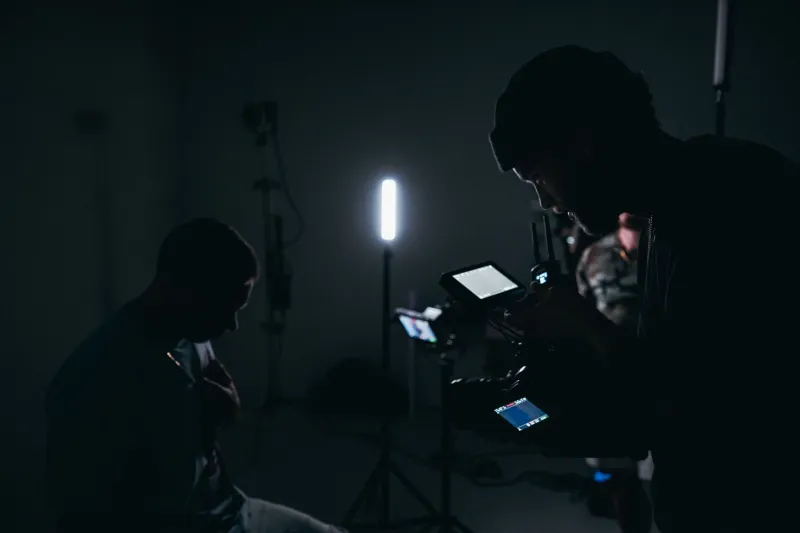
Photo by Photo by Vitaly Gariev on Unsplash on Unsplash
There's a version of the creative life that looks really good from the outside. You've seen it — the mood boards, the behind-the-scenes reels, the satisfying moment when a project finally ships and the internet responds.
What you don't see is the three weeks before that moment. The spreadsheet that won't balance. The vendor who needs a signed contract by Friday. The email from a collaborator that sends your anxiety into overdrive. The moment you realize you have no idea what 'net 30 payment terms' actually means and you're already past the deadline to ask.
This is the part of being a creator that nobody puts in a masterclass. And it's the part that will quietly make or break your career.
The Gap Between Talented and Functional
Most creators I know — and I include my past self in this — came up believing that if the work was good enough, everything else would sort itself out. Craft first, logistics eventually.
Except that's not how it works. The entertainment industry, the creator economy, the film world — all of it runs on systems that don't care how talented you are if you can't navigate them. Brilliant screenwriters miss production windows because they can't manage a deadline. Genuinely gifted directors blow their budgets in pre-production because nobody taught them how to read a line item. Talented podcasters let years go by without monetizing because contracts feel overwhelming.
The gap between talented and functional as a professional creator is enormous. And it's filled with skills that feel distinctly uncreative.
Project Management Is Actually Creative Work
I know, I know — the words 'project management' make most creative people's eyes glaze over. But hear me out.
Every creative project is, at its core, a series of moving parts that have to land in the right order at the right time. When that system works, it feels invisible. When it breaks down, it takes the whole project down with it.
Learning to break a project into phases, build a realistic timeline, and identify the dependencies (i.e., what has to happen before the next thing can happen) isn't bureaucratic busywork. It's how you actually finish things. And finishing things — consistently, professionally — is what separates hobbyists from working creators.
You don't need a PMP certification. You need to understand that 'I'll figure it out as I go' is a plan that works once, maybe twice, before it starts costing you real money and real relationships.
Budget Negotiation: The Skill That Pays for Itself
Let's talk money, because most creative programs treat it like a dirty word and that's doing everyone a disservice.
Knowing how to negotiate a budget — whether you're pitching a project to a network, quoting a client, or figuring out how to stretch production dollars — is one of the highest-leverage skills you can develop. It's not about being aggressive or transactional. It's about understanding the value of your work and being able to communicate it clearly.
This means knowing your costs (all of them, including your time), understanding what the market bears, and being comfortable having the conversation without apologizing for having it. It also means knowing when to walk away — which, again, comes back to that clarity of vision we talked about.
If you've never negotiated your own rate or budget before, start small. Practice the conversation. Get comfortable with the silence after you name your number. That silence is just the other person thinking — it's not rejection.
Reading a Contract Without a Law Degree
You will, at some point, be handed a contract and expected to sign it. This is not optional. This is Tuesday in the entertainment industry.
You don't need to be a lawyer to protect yourself, but you do need to understand a few key things: who owns the work once it's done, what rights you're signing over, what the payment terms are, and what happens if someone breaches the agreement.
Terms like 'work for hire,' 'perpetual license,' 'first right of refusal,' and 'indemnification' are not obscure legalese — they're the vocabulary of your industry, and not knowing them is expensive. There are genuinely good resources online (the Authors Guild, the Writers Guild of America, even some solid YouTube explainers) that can give you a working literacy without a law school tuition.
And when something in a contract feels off? Ask. A legitimate collaborator or employer will not be offended by a question. Anyone who pressures you to sign without reading is a red flag in a blazer.
Handling Criticism Without Losing Your Mind (or Your Vision)
Here's one that nobody frames as a skill but absolutely is: knowing how to receive feedback without either crumbling or dismissing it entirely.
Creative work is personal. Having someone critique it can feel like a direct hit to your identity. But the ability to separate useful critique from noise — and to use the useful stuff without letting the noise reshape your work — is something you have to actively develop.
The framework I've found most helpful: Is this feedback about execution (how I did something) or vision (what I was trying to do)? Execution feedback is almost always worth considering. Vision feedback from someone who doesn't understand what you're building is almost never worth taking on.
Not all notes are created equal. Learn whose voice in the room actually understands what you're making.
The Unglamorous Stuff Is the Foundation
None of this is what you imagined when you decided to become a creator. The spreadsheets, the contracts, the budget conversations, the project timelines — they don't make the highlight reel.
But they're the reason the highlight reel exists at all.
The creators who build lasting careers aren't just the most talented ones. They're the ones who figured out how to operate like professionals around their talent — who built enough infrastructure that their creative work actually had somewhere to land.
You can learn these skills. They're not innate gifts, they're just things nobody got around to teaching you yet. And the sooner you stop treating them as someone else's job, the sooner your work gets to be everything you imagined it could be.
That's what being behind the scenes actually looks like. Not just the magic — the mechanics, too.